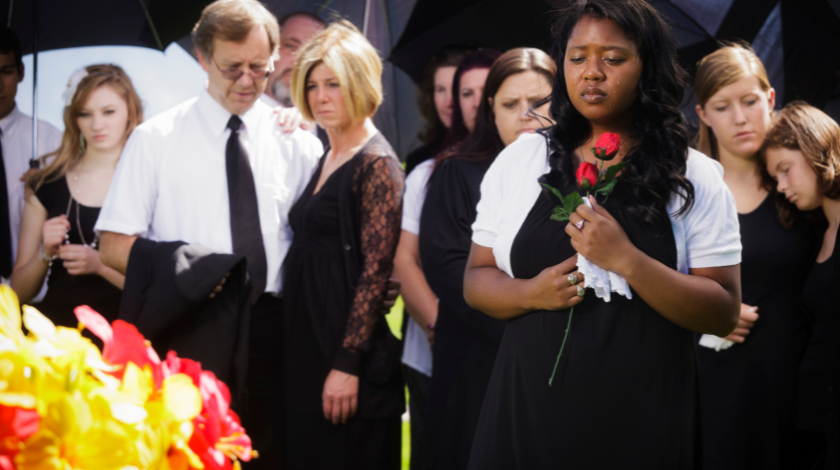
When my grandmother passed away three years ago, I found myself sitting at her kitchen table with a blank piece of paper and a pen that suddenly felt too heavy to hold. My mother had asked me to write the obituary, and I had no idea where to start. How do you summarize eighty-seven years of life, love, laughter, and lessons into a few paragraphs? That experience taught me something important: obituaries are not just announcements of death. They are celebrations of life, and writing them is both a burden and a gift we give to those we have lost.
In today’s world, where everything seems to move at the speed of a text message, the tradition of writing obituaries has evolved but has not disappeared. Families still need to inform their communities, share service details, and most importantly, tell the stories that made their loved ones special. Whether you are looking for recent obituaries from Minnehaha Funeral Home in Dell Rapids, South Dakota, or trying to craft the perfect tribute for someone you have just lost, this guide will walk you through everything you need to know with compassion and practical advice.
What Are Obituaries and Why Do They Still Matter Today
An obituary is essentially a public notice of someone’s death, but that definition feels too cold and clinical for what it actually represents. In reality, an obituary is a story. It is the final chapter of a person’s book of life, written by those who knew them best. When done well, it captures not just the dates and places that marked someone’s existence, but the essence of who they were, what they loved, and how they touched the lives around them.
The tradition of publishing death notices goes back centuries, originally appearing in local newspapers to inform communities about passings and funeral arrangements. Before telephones and the internet, this was the primary way people learned about deaths in their area. Neighbors would read the newspaper over morning coffee and know to bring a casserole to the grieving family or to adjust their schedules to attend a service. There was a beautiful efficiency to it, a community taking care of its own through shared information.
Today, while newspapers still publish obituaries, the landscape has expanded dramatically. Funeral homes like Minnehaha Funeral Home maintain online obituary pages where families can share detailed life stories, post photographs, and even create interactive guest books where friends from across the country can leave condolences. Social media has added another layer, allowing news to spread instantly to far-flung family members and old friends who might never see a newspaper notice.
But despite these technological changes, the fundamental purpose remains the same. Obituaries matter because they serve multiple important functions in our society. First, they provide practical information about funeral services, giving people the details they need to pay their respects. Second, they create a historical record, documenting lives for future generations researching their family history. Third, and perhaps most importantly, they offer closure and connection. Reading about someone’s life, even someone you did not know well, reminds us of our shared humanity and the preciousness of our time on earth.
For families in the Dell Rapids area and throughout Minnehaha County, having access to a trusted local funeral home that understands these nuances makes a significant difference. When you are grieving, you need more than just a service provider. You need a partner who understands that an obituary is not just a formality but a meaningful part of the healing process.
How to Locate Recent Obituaries from Funeral Homes
When you hear that someone has passed away, your first instinct might be to search online for confirmation and details. This has become the standard way we process news in the digital age, and funeral homes have adapted to meet this need. If you are looking for recent obituaries from Minnehaha Funeral Home or other local providers, there are several reliable methods you can use.
The most direct approach is to visit the funeral home’s website. Most modern funeral homes maintain current obituary listings on their homepages or under dedicated sections labeled “Obituaries” or “Current Services.” These pages are typically updated daily and provide the most accurate, up-to-date information about recent passings. For families in the Dell Rapids area, checking the Minnehaha Funeral Home website would be the first logical step when searching for local obituary information.
Beyond individual funeral home websites, several aggregate services collect obituaries from multiple sources. Websites like Legacy.com partner with funeral homes and newspapers to create comprehensive databases that span geographic regions. These platforms allow you to search by name, location, or date range, making them useful if you are looking for older obituaries or unsure which funeral home handled arrangements for someone you knew.
For those interested in genealogy or historical research, the resources expand even further. The Library of Congress maintains Chronicling America, a free database of digitized newspapers dating back to the 1700s. State archives, local historical societies, and genealogical organizations often maintain obituary indexes that can help you trace family histories through death notices. These records become invaluable when you are building a family tree or trying to understand your heritage.
Social media has also become an unexpected but powerful tool for finding obituary information. Facebook memorial pages, community groups, and even Nextdoor neighborhoods often share news of local passings. While these sources should be verified through official channels, they can provide immediate notification and allow for rapid community response when someone dies unexpectedly.
When searching for obituaries, remember that spelling variations and name changes can affect your results. Women who married might be listed under their maiden names in older records or under their married names in more recent ones. Nicknames might appear instead of formal given names. If your initial search does not yield results, try variations and alternative spellings. Persistence often pays off when hunting for historical records.
Writing an Obituary That Truly Captures a Life
Writing an obituary while grieving is one of the most challenging writing tasks you will ever face. The emotional weight is heavy, the deadline feels pressing, and the pressure to “get it right” can be paralyzing. But here is what I learned from writing my grandmother’s obituary: perfection is not the goal. Authenticity is. Your job is not to create a literary masterpiece but to capture the truth of a person’s life in a way that honors their memory and helps those who read it feel connected to them.
Every obituary should include five essential elements, though how you arrange and emphasize them is up to you. First, you need the basic facts: the person’s full name, age, date of death, and place of residence. If the person had a nickname that everyone knew them by, include it. My grandmother was “Betty” to everyone, though her birth certificate said “Elizabeth.” That detail mattered because it reflected how she lived in the world.
Second, include biographical information that paints a picture of their life journey. Where were they born? Where did they go to school? What did they do for work? These facts create the framework of a life, but do not stop there. The best obituaries go beyond resume details to capture personality. Instead of just saying someone “worked as a teacher,” you might say they “spent thirty years teaching third grade at Lincoln Elementary, where they were known for keeping a jar of candy on their desk and having a story for every occasion.”
Third, family information is crucial. List surviving family members and those who preceded them in death. This serves both practical purposes, helping distant relatives understand their connection to the deceased, and emotional ones, acknowledging the web of relationships that defined the person’s life. Be thoughtful here, as family dynamics can be complicated. Focus on closeness and significance rather than on including every distant cousin.
Fourth, mention hobbies, passions, and community involvement. Did they volunteer at the animal shelter? Were they known for their prize-winning roses? Did they never miss a Sunday at church? These details transform a dry announcement into a living portrait. They give readers something to connect with and remember.
Finally, provide service information and any memorial preferences. Include dates, times, and locations for visitations, funerals, or memorial services. If the family prefers donations to a specific charity instead of flowers, say so clearly. This practical information helps people who want to pay their respects know exactly how to do so.
When writing, use language that feels natural and conversational. Avoid flowery phrases that the person themselves would never have used. If your loved one was funny, let some humor show through. If they were serious and dignified, match that tone. The obituary should sound like them, not like a template from the internet.
One common mistake is trying to include every single detail of a person’s life. An obituary is not a biography. It is a highlight reel, a greatest hits album. Choose the moments and characteristics that best represent who they were. Another mistake is being too vague. Saying someone “loved their family” is true of almost everyone. Saying they “never missed their granddaughter’s soccer games, even when it meant driving three hours each way” tells a specific, memorable story.
The Role of Funeral Homes in Obituary Publication
Modern funeral homes do far more than handle the logistics of burial or cremation. They have become full-service support centers for grieving families, and obituary assistance is a significant part of that role. When you work with a funeral home like Minnehaha Funeral Home, you are not just renting a space for a service. You are partnering with professionals who understand the local community, the technical aspects of publication, and the emotional weight of what you are trying to accomplish.
Most funeral homes offer several levels of obituary support. At the basic level, they will publish the obituary on their own website, creating a permanent memorial page that can include photos, service details, and an online guest book. This page serves as a central hub where friends and family can find information, share memories, and leave messages of support. These pages often remain online indefinitely, creating a lasting digital memorial that future generations can visit.
Many funeral homes also assist with writing the obituary itself. Their staff have written hundreds or thousands of these documents and can help you structure your thoughts, suggest important details you might have forgotten, and ensure that the final product reads smoothly. Some families provide rough notes or bullet points, and the funeral home staff crafts them into polished prose. Others prefer to write the entire piece themselves and simply have the funeral home review it for accuracy and completeness.
Publication assistance is another valuable service. Funeral homes often have established relationships with local newspapers and can handle the submission process for you. They know the deadlines, Word count limits, and formatting requirements of various publications. They can also advise on whether to publish in print, online, or both, depending on your budget and goals. Some families choose to publish a brief notice in the newspaper with a link to the fuller obituary on the funeral home website, combining traditional and modern approaches.
Online guest books have become particularly meaningful in our connected world. When my grandmother passed, we had family members who could not afford to travel to South Dakota for the service. Being able to read the guest book messages, see photos from the funeral, and feel connected to the community through the online platform provided comfort that would not have been possible twenty years ago. These digital tools do not replace in-person connections, but they extend the circle of support to include those who cannot be physically present.
Funeral homes also help with the technical aspects of creating lasting memorials. Some offer video tribute services, where photographs are set to music and played during services or shared online. Others provide memorial websites or fundraising platforms for families dealing with unexpected expenses. The range of services varies by provider, but the trend is toward comprehensive support that addresses both practical and emotional needs.
Supporting Families Through the Process
Grief is not a linear process, and writing an obituary often happens during the most acute phase of loss. The days immediately following a death are a blur of decisions, paperwork, and emotional overwhelm. Having support during this time is not a luxury. It is a necessity. Good funeral homes understand this and build support into their services.
Many funeral homes offer grief resources, either directly or through partnerships with local counseling services. These might include support groups, referrals for one-on-one counseling, or educational materials on the grieving process. Some provide aftercare programs that check in with families weeks or months after the funeral, recognizing that grief does not end when the service does.
Community connections are another form of support. Local funeral homes are often deeply embedded in their communities. They know the churches, veterans organizations, volunteer groups, and social networks that can rally around a grieving family. When my family worked with our local funeral home, they connected us with a church group that provided meals for two weeks. That practical support allowed us to focus on emotional healing rather than grocery shopping and cooking.
For families dealing with the financial stress of funeral expenses, many funeral homes offer payment plans or can direct families to charitable organizations that assist. They can help you understand what expenses are necessary and where you might economize without compromising dignity. Transparency about costs is an important part of ethical funeral service, and reputable providers will provide clear, itemized pricing upfront.
The relationship with a funeral home often extends beyond the immediate funeral. Many families return to the same funeral home generation after generation, building relationships with staff who knew their parents and grandparents. This continuity provides comfort and familiarity during difficult times. When you walk into a funeral home and are greeted by name, when the staff remembers details about your family history, it creates a sense of being cared for by people who genuinely know you.
Conclusion
Obituaries are more than announcements. They are the final gifts we give to those we have lost, the stories we tell to keep their memories alive, and the practical tools that allow communities to come together in support. Whether you are searching for recent obituaries from Minnehaha Funeral Home in Dell Rapids, writing a meaningful tribute for a loved one, or planning for your own arrangements, understanding the landscape of modern obituary services empowers you to make informed, compassionate choices.
The evolution from newspaper notices to online memorials has expanded our ability to share, connect, and remember. But the heart of the obituary remains unchanged. It is about honoring a life, acknowledging a loss, and inviting community participation in the grieving process. In a world that often feels rushed and impersonal, taking the time to craft a thoughtful obituary is an act of love that resonates far beyond the immediate moment of loss.
If you find yourself facing the task of writing an obituary, remember that you do not have to do it alone. Funeral homes, family members, friends, and online resources can all provide support. Focus on authenticity over perfection, story over statistics, and connection over formality. The obituary you write will become part of your loved one’s legacy, a document that future generations will read to understand where they came from and who came before them.
In the end, that is what we all want: to be remembered, to have mattered, to have our stories told. Obituaries ensure that even in death, our voices continue to speak.
Frequently Asked Questions
How do I find recent obituaries from Minnehaha Funeral Home?
The best way to find recent obituaries is to visit the Minnehaha Funeral Home website directly and navigate to their obituaries section. Most funeral homes update these pages daily. You can also call the funeral home directly if you need information about a specific person or if you are having trouble navigating their website.
What information do I need to write an obituary?
You will need basic facts, including the person’s full name, date of birth, date of death, and place of residence. You should also gather information about their family members, education, career, hobbies, community involvement, and funeral service details. Having a few specific anecdotes or characteristics that capture their personality will help make the obituary memorable.
How long should an obituary be?
Most newspaper obituaries range from 200 to 500 words due to cost constraints, though online obituaries on funeral home websites can be longer. Focus on quality over quantity. A well-written 300-word obituary that captures the essence of a person is more valuable than a 1,000-word list of facts that reads like a resume.
Can funeral homes help me write the obituary?
Yes, most funeral homes offer writing assistance as part of their services. Their staff are experienced in crafting obituaries and can help you organize your thoughts, ensure you include important details, and polish the final product. Some families write the obituary themselves and ask the funeral home to review it, while others provide notes and let the staff handle the writing.
How much does it cost to publish an obituary?
Costs vary widely depending on the publication and length. Online obituaries on funeral home websites are often included in service packages. Newspaper publication fees depend on Word count, with most papers charging by the line or inch. National newspapers are significantly more expensive than local papers. Your funeral home can provide specific pricing for your area.
What is the difference between an obituary and a death notice?
A death notice is a brief, factual announcement of someone’s death, typically including just name, age, date of death, and service information. An obituary is longer and includes biographical information, stories, and details about the person’s life and character. Death notices are less expensive to publish and serve a purely informational purpose, while obituaries aim to honor and memorialize.