There is something almost magical about the way a Vietnamese grandmother prepares rice. I remember standing in my friend’s kitchen in Ho Chi Minh City, watching her grandmother wash rice grains with the kind of reverence usually reserved for religious rituals. The water ran clear, the grains glistened like tiny pearls, and the older woman muttered something about how rice was not just food—it was life itself. That moment changed how I understood com viet forever.
If you have ever wandered through the bustling streets of Hanoi or sat down at a plastic stool in a Saigon alleyway, you know that rice is everywhere in Vietnam. But com Viet is not just about filling your stomach. It represents centuries of agricultural tradition, regional pride, family bonds, and the incredible creativity of a people who can transform humble rice grains into dishes that make you close your eyes and sigh with happiness. Whether you are a curious food lover planning your first trip to Vietnam or someone trying to recreate authentic flavors in your home kitchen, understanding com viet opens up a whole new world of culinary appreciation.
What Exactly is Com Viet? Understanding the Foundation of Vietnamese Meals
When Vietnamese people say “com,” they mean cooked rice—the daily staple that appears at nearly every meal. But com viet encompasses so much more than just plain white rice served in a bowl. It includes hundreds of dishes where rice plays the starring role, from the famous broken rice plates of Saigon to the sticky rice breakfasts of Hanoi and the turmeric-yellow chicken rice of Hoi An.
The word “com” itself carries deep cultural weight. In Vietnam, the traditional greeting is not “How are you?” but “An com chua?” which literally translates to “Have you eaten rice yet?” This simple question reveals how fundamentally rice is woven into the social fabric of Vietnamese life. When someone asks if you have eaten rice, they are really asking about your well-being, your family, and your day. Is rice that important?
Vietnam’s relationship with rice stretches back thousands of years to the ancient kingdoms of the Red River Delta. The wet, tropical climate and fertile soil created ideal conditions for rice cultivation, and over generations, Vietnamese farmers developed sophisticated irrigation systems and farming techniques. Today, Vietnam ranks among the world’s top rice exporters, but domestically, the grain remains sacred. Every part of the rice plant gets used—the stalks feed livestock, the husks become fuel, and the grains feed families.
Read Also: Google Groups
The Regional Tapestry of Com Viet: North, Central, and South
One of the most fascinating aspects of com viet is how dramatically it changes as you travel from north to south. Vietnam is a long, narrow country with distinct regional identities, and these differences shine through in its rice dishes.
In the north, particularly around Hanoi, the cuisine tends toward subtle, balanced flavors. Northern Vietnamese cooks prefer their rice dishes to be less sweet and less spicy than those of their southern counterparts. Here you will find xôi xéo, a sticky rice dish colored bright yellow with mung bean paste and topped with fried shallots. It is a breakfast favorite that has fueled Hanoians through chilly winter mornings for generations. The north is also home to cơm niêu, rice cooked in clay pots until a crispy crust forms at the bottom—similar to the Korean dolsot but distinctly Vietnamese in its execution.
Central Vietnam, especially the former imperial capital of Hue, brings more complexity and spice to com viet. The region’s royal history influenced its cuisine, resulting in dishes that are visually stunning and flavorfully bold. Cơm hến, a rice dish topped with tiny clams, crispy pork skin, and aromatic herbs, originated here. The central coast also perfected cơm gà, though the Hoi An version remains the most famous with its turmeric-infused rice and perfectly poached chicken.
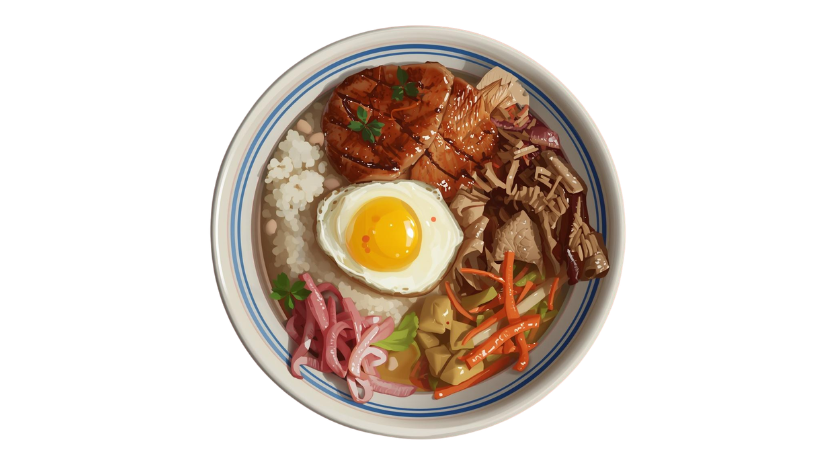
Travel south to the Mekong Delta and Ho Chi Minh City, and com viet transforms again. Southern Vietnamese cuisine embraces sweetness, coconut milk, and abundance. This is where cơm tấm reigns supreme. Broken rice, once considered inferior grains that farmers could not sell, became the foundation of Saigon’s most iconic dish. Topped with grilled pork chops, shredded pork skin, a fried egg, and fish sauce, cơm tấm represents the southern ability to turn humble ingredients into something extraordinary. The south also loves cơm chiên, fried rice loaded with shrimp, Chinese sausage, and vegetables—a testament to the region’s cultural diversity and trading history.
Cơm Tấm: The Broken Rice Phenomenon That Defines Saigon
If there is one com viet dish you absolutely must understand, it is cơm tấm. I still remember my first bite at a street stall on Vo Van Tan Street in District 3. The vendor, an older woman who had been making the same dish for forty years, served me a plate that looked almost too beautiful to eat. The broken rice grains—smaller and more textured than regular rice—formed a perfect bed for a caramelized pork chop, glistening with scallion oil. A fried egg sat on top, its yolk ready to break and mix with everything else. Pickled vegetables provided crunch, cucumber slices offered freshness, and the nước chấm (dipping sauce) tied it all together with its perfect balance of sweet, sour, salty, and spicy.
Cơm tấm’s origin story speaks to Vietnamese resilience and creativity. Historically, broken rice grains were separated from whole grains during milling and sold cheaply to poor farmers and laborers who could not afford premium rice. Resourceful cooks in Saigon realized that these broken grains absorbed flavors better and had a more interesting texture than perfect rice. They began creating elaborate dishes around this “inferior” ingredient, adding grilled meats, eggs, and pickled vegetables. Over time, cơm tấm became so beloved that it is now considered a delicacy, with restaurants specializing in it.
Making authentic cơm tấm at home requires sourcing the right rice. Look for “broken rice” or “com tam” at Asian grocery stores—it will be labeled as such and consists of rice grains that have been fractured during processing. The cooking method matters too. Unlike regular rice, broken rice needs slightly less water and benefits from soaking for about thirty minutes before cooking. This helps the grains achieve that characteristic fluffy-yet-sticky texture that holds up so well to the rich toppings.
Cơm Gà: Hoi An’s Golden Gift to the World
While cơm tấm represents southern Vietnamese cuisine, cơm gà (chicken rice) showcases the elegance of central Vietnamese cuisine. Hoi An, the ancient trading port with its lantern-lit streets and well-preserved architecture, claims ownership of the most famous version, though variations exist throughout central Vietnam.
What makes Hoi An chicken rice special is the rice itself. Cooks toast raw rice grains with turmeric before cooking, infusing the entire dish with a golden color and earthy aroma. The chicken is poached to silky perfection, then shredded and tossed with onions and Vietnamese coriander. The resulting plate is light yet satisfying, aromatic without being overwhelming, and visually stunning with its yellow rice, white chicken, and green herbs.
I learned to appreciate cơm gà during a rainy afternoon in Hoi An. Seeking shelter from a sudden downpour, I ducked into a tiny restaurant that had been recommended by a local. The owner, seeing my wet clothes, insisted I try her family recipe. As I ate, she explained how her grandmother had cooked chicken rice for French colonial officials in the 1940s, adapting the dish over decades. That personal connection to history, passed down through generations, made the meal taste even better. This is what Com Viet offers—food that carries stories within every grain.
Xôi: The Sticky Rice Traditions of Northern Vietnam
No discussion of com viet is complete without mentioning xôi, Vietnamese sticky rice. Unlike the regular steamed rice that accompanies most meals, xôi uses glutinous rice varieties that become chewy and clump together when cooked. It is primarily a breakfast food in the north, though sweet versions appear as snacks and desserts throughout the country.
Xôi xéo, the Hanoi specialty mentioned earlier, combines sticky rice with mung bean paste, fried shallots, and sometimes pork floss or Chinese sausage. The preparation requires soaking glutinous rice overnight, then steaming it in traditional cone-shaped baskets. The mung beans are cooked separately, mashed into a paste, and layered with the rice. The result is a dish that is simultaneously savory and slightly sweet, rich yet not heavy, and incredibly satisfying on a cold morning.
What I love about xôi is its versatility. Street vendors sell it from dawn until mid-morning, wrapping portions in banana leaves for easy transport. Office workers grab it on their way to work. Students eat it before school. It is fast food in the best sense—quick, affordable, nutritious, and deeply satisfying. When I lived in Hanoi, my morning xôi vendor knew my order by heart: extra mung bean, no sausage, extra shallots. That personal relationship between vendor and customer is another aspect of the Vietnamese culture that makes it special.
Cooking Perfect Vietnamese Rice: Techniques from the Experts
After years of experimenting and learning from Vietnamese home cooks, I have discovered that making excellent com viet at home is absolutely achievable, even if you have never cooked Asian rice before. The key lies in understanding a few fundamental principles that Vietnamese cooks follow instinctively.
First, choosing the right rice variety matters enormously. For most Vietnamese dishes, you want long-grain jasmine rice from Vietnam or Thailand. These varieties have a floral aroma and cook up fluffy with distinct grains. Avoid short-grain Japanese rice or Arborio rice—these have different starch contents and will not give you the right texture. For sticky rice dishes like xôi, you must use glutinous rice (also called sweet rice), which is a completely different variety despite its appearance.
Washing rice properly is the step most Western cooks skip, and it makes a huge difference. Place your rice in a pot, add cold water, and swish the grains gently with your fingers. The water will turn milky white from the surface starch. Drain and repeat three to four times until the water runs mostly clear. This removes excess starch that would otherwise make your rice gummy, as well as any dust or processing impurities.
For stovetop cooking, the traditional Vietnamese method uses the finger measurement technique rather than exact cups. After washing and draining your rice, place your index finger straight down until it touches the top of the rice. The water level should reach your first knuckle—about one inch above the rice surface. Bring to a boil, uncovered, then immediately reduce the heat to low, cover tightly, and simmer for exactly 18 minutes. Remove from heat and let it steam, still covered, for another ten minutes. Fluff with a fork or rice paddle, and you have perfect Vietnamese rice.
Modern rice cookers have made this process easier, but I still recommend the washing step. Use the white rice setting for jasmine rice, and if your cooker has a “harder” or “softer” option, choose “harder” for an authentic Vietnamese texture. The rice should be tender but with a slight bite, never mushy.
The Health Benefits of Traditional Com Viet
In an era of low-carb diets and grain avoidance, it is worth understanding why traditional com viet can actually be part of a healthy diet. Vietnamese rice dishes, when prepared traditionally, offer excellent nutrition and have sustained one of the world’s healthiest populations for generations.
Plain steamed rice is naturally gluten-free, easy to digest, and provides quick energy without fat or cholesterol. When combined with the traditional accompaniments—grilled lean proteins, fresh vegetables, herbs, and minimal oil—com viet creates balanced meals that provide carbohydrates, protein, fiber, and micronutrients. The Vietnamese approach of eating rice with many small side dishes (called món ăn kèm) naturally encourages portion control and variety.
Fish sauce, that ubiquitous Vietnamese condiment, offers surprising health benefits when used in moderation. It is rich in protein, contains beneficial omega-3 fatty acids from fermented fish, and provides umami flavor without adding fat. The fermentation process also creates probiotics that support gut health. When combined with lime juice, garlic, and chili in nước chấm, you get a virtually calorie-free flavor enhancer that makes vegetables and lean proteins delicious.
The fresh herbs that accompany com viet—Thai basil, cilantro, mint, and perilla—add antioxidants, vitamins, and medicinal compounds. Vietnamese coriander (rau răm) aids digestion. Mint freshens breath and soothes stomachs. These are not garnishes; they are integral parts of the meal that contribute to overall health.
Finding Authentic Com Viet Outside Vietnam
One of the challenges for Vietnamese lovers living outside Vietnam is finding authentic versions of these dishes. While Vietnamese restaurants have proliferated globally, not all serve traditional com viet. Many adapt dishes to local tastes, using inferior rice or skipping traditional techniques.
To find authentic com viet, look for restaurants that specify they use broken rice for cơm tấm—this detail indicates attention to authenticity. Ask if they make their nước chấm in-house; bottled fish sauce mixtures are a red flag. The best Vietnamese restaurants will have rice cookers visible in the dining area or kitchen, constantly producing fresh batches.
In the United States, cities with large Vietnamese populations—Westminster, California; Houston, Texas; and San Jose—offer the most authentic options. In these communities, restaurants cater to Vietnamese customers who demand authenticity, resulting in better com viet than you might find in areas where Vietnamese food is “exoticized” for mainstream palates.
For home cooks, sourcing ingredients has become much easier. Asian grocery stores stock Vietnamese rice varieties, and online retailers now ship broken rice and glutinous rice nationwide. The investment in proper ingredients pays off enormously in the final dish—using the right rice transforms your cooking from “rice with toppings” to actual com viet.
Conclusion: Why Com Viet Deserves Your Attention
Com Viet represents something increasingly rare in our globalized food culture: a cuisine that remains deeply connected to its agricultural roots while offering incredible diversity and sophistication. From the humble broken rice plates served on Saigon sidewalks to the elaborate imperial rice dishes of Hue, Vietnamese rice culture demonstrates how a single ingredient can express an entire nation’s history, geography, and soul.
What strikes me most about com viet, after years of eating and cooking these dishes, is the intention behind every preparation. Nothing is accidental. The washing of rice removes impurities. The soaking ensures even cooking—the accompaniments balance flavors and textures. The communal nature of sharing rice dishes strengthens social bonds. This intentionality creates food that nourishes not just the body but also the spirit.
I encourage you to explore Vietnam, whether through travel, restaurant visits, or home cooking. Start with cơm tấm to understand the soul of southern Vietnamese cuisine. Try xôi for a taste of northern breakfast culture. Experiment with turmeric rice to experience the elegance of central Vietnamese cuisine. Each dish offers a window into a culture that has perfected the art of making something extraordinary from the simplest ingredients.
The next time you sit down to a plate of Vietnamese rice, remember the greeting “An com chua?” Remember that you are participating in a tradition thousands of years old, connecting with farmers, cooks, and families across generations. That is the true magic of com viet—it is never just rice. It is life, community, history, and love, served one bowl at a time.
Frequently Asked Questions About Com Viet
What is the difference between com tam and regular rice? Cơm tấm uses broken rice grains—fragments of rice that break during milling. These smaller grains absorb sauces better and have a stickier, more textured consistency than whole grain rice. Historically considered inferior, broken rice is now prized for its unique properties.
Can I use jasmine rice for all Vietnamese rice dishes? Jasmine rice works for most com viet dishes, but sticky rice (xôi) requires glutinous rice (sweet rice), which is a different variety entirely. For cơm tấm, you specifically need broken rice, though you can break jasmine rice yourself by crushing it slightly before cooking.
Is Vietnamese rice healthy? Plain steamed rice is naturally low in fat and gluten-free. When eaten as part of traditional com viet—with lean proteins, vegetables, and fresh herbs—it creates balanced, nutritious meals. The key is moderation and avoiding excessive oil or sugar in preparations.
Why do Vietnamese people wash rice before cooking? Washing removes surface starch that makes rice gummy, along with dust and processing residues. It also helps grains cook more evenly. Vietnamese cooks typically wash rice three to four times until the water runs mostly clear.
What makes Vietnamese rice different from Thai or Chinese rice? Vietnamese cuisine primarily uses long-grain jasmine rice similar to Thai varieties, but preparation methods differ. Vietnamese rice is often cooked slightly firmer than Chinese rice and served with different accompaniments. The broken rice used in cơm tấm is specifically Vietnamese.